Imbibing (or not) during Jekyll’s Club era
By Katie Kelly Bell
Photos courtesy of Jekyll Island Museum
Georgia’s enthusiasm for temperance at the turn of the 20th century kept with the views of the colony’s founder, General James Oglethorpe, who made banning alcohol one of his four foundational principles (in addition to no lawyers, Catholics, or slaves).
In 1907, Georgia became the first state in the South to ban the sale, production, and transportation of alcohol, a full 13 years before the federal ban and the 18th Amendment took effect. While the state pursued temperance with gusto, the experience on Jekyll Island was a bit different.
Prohibition took place during the island’s Club Era, and opinions about alcohol among Club members represented a microcosm of the divided national mood. Prominent members such as Andrew Carnegie supported the temperance movement, while others like Richard Teller Crane Jr., a manufacturing tycoon, defended an individual’s right to choose to drink.
Getting the Goods
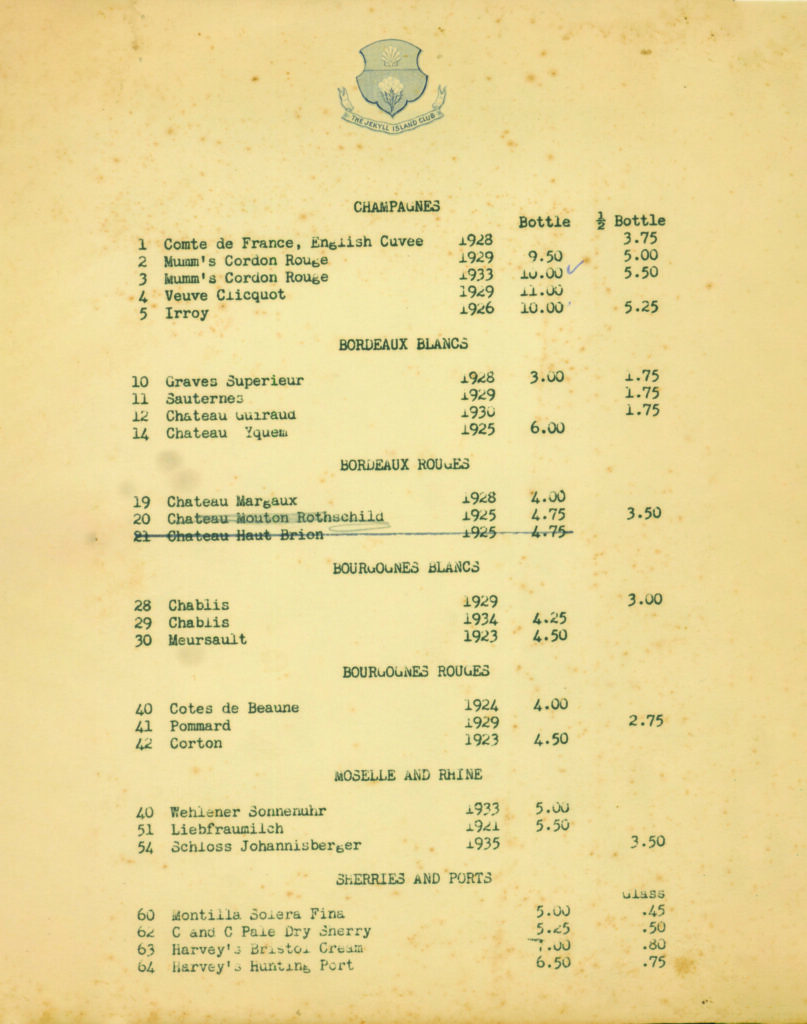
Disagreements aside, alcohol was available to those who wanted it on Jekyll Island during Prohibition. According to Andrea Marroquin, curator of the Jekyll Island Museum, “The national law did not restrict their abilities to obtain alcohol; certainly they had the wealth and the resources to make sure they could have whatever they wanted.”
Jekyll’s geography was an advantage to its thirsty residents, as archival records show that most of the illegal booze was supplied by Canada, and it always arrived covertly by boat down the Eastern Seaboard. Says Marroquin, “On smuggling runs, alcohol bottles were held overboard by ropes, making them easy to dispose of if the revenuers [federal agents] came along.”
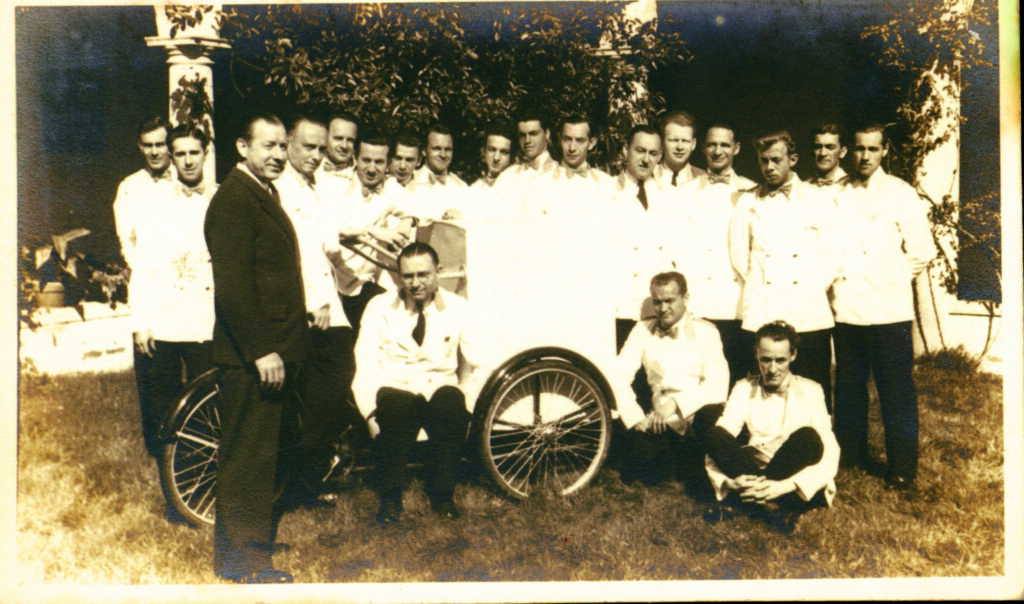
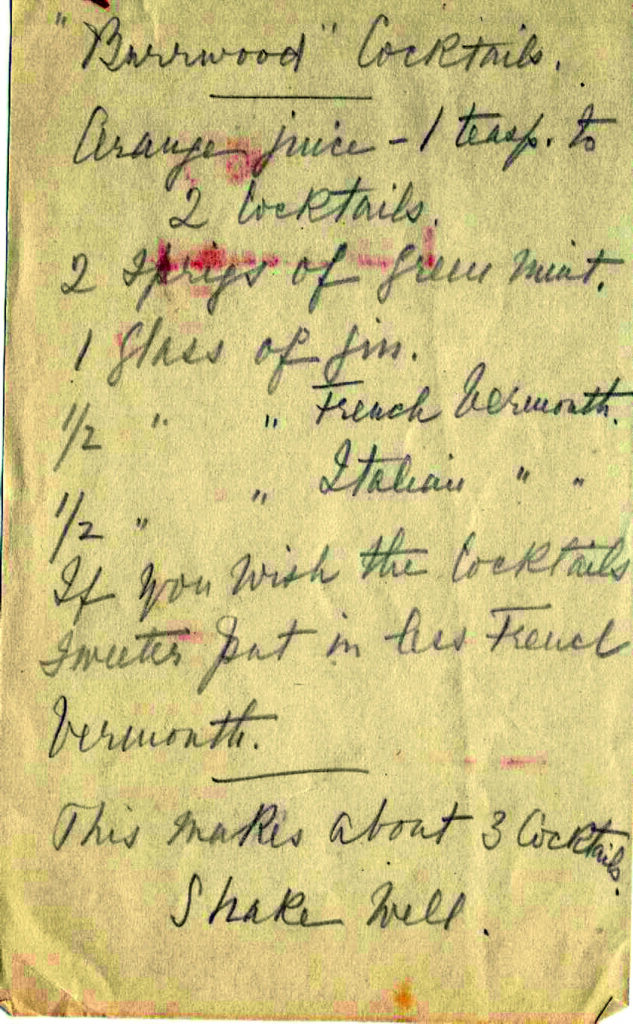
The Club’s head waiter, a native of Denmark named Robert F. Thuris, oversaw alcohol production, making various forms of spirits for the Club. Using the alcohol that members provided, Thuris flavored it accordingly, says Marroquin. “He made a bathtub gin, vodka, and beer,” says Marroquin, using things like fruit juice to flavor his bootleg bourbon. However, she notes that, “according to Club members, he was never able to make a good Scotch.” Based on Club lore, it was par for the course for Thuris. “Overall, he was a fairly enterprising young man. He had a yellow Chrysler roadster that he rented out to the Club for $50 a day as well,” she says, which was the equivalent of a month’s wages for many employees on the island.
Flaunting Forbidden Drinks
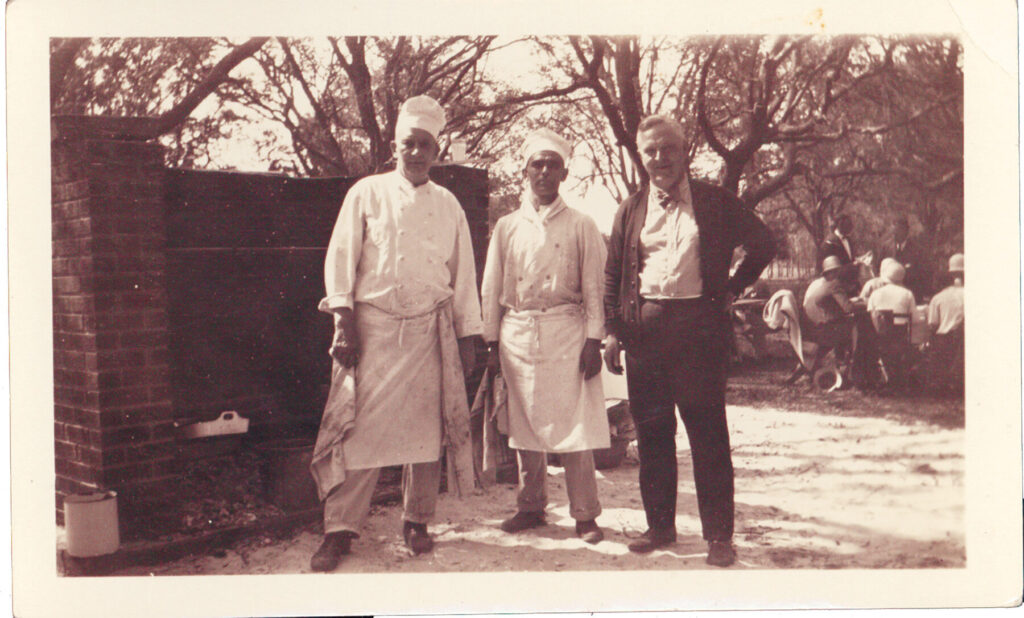
Remoteness has its advantages, but wealth has its privileges, and drinking life on Jekyll was well-insulated from Prohibition’s reality, albeit with far less superior alcohol. Most Club members did not hide it. For example, Marroquin cites archival film footage from a barbecue held by member Richard Teller Crane Jr. that shows a member walking by the camera and overtly flashing a beer. “They were casual about it. And of course, being a remote island, it was unlikely they would be investigated without any warning,” she says.
A Club Respectfully Divided
Club members were on both sides of the issue, but opposing viewpoints were respectfully tolerated. There is no evidence of any serious discord among members. Marroquin references a diary entry from Club member Charlotte Maurice, who took detailed notes on her entertaining, documenting who attended and what she served.
“Charlotte Maurice invited the Rockefellers to dinner,” says Marroquin. “William Rockefeller and his wife, Almira, were members of the Club, and they frequently hosted guests on the island, including his brother, John D. Rockefeller, and his wife, Laura Spellman Rockefeller, who was a founding member of the Women’s Christian Temperance Union (WCTU). Charlotte noted in her diary that she served the Rockefellers Poland water, while other guests enjoyed Chablis.”
Says Marroquin, “The WCTU would go into the poor parts of the city, enter saloons, and lay hands to pray over the sinners who were in the bar. Laura Rockefeller would take part in that, and sometimes her husband would come along. They themselves abstained from alcohol use, and they raised their children to abstain from alcohol use.” The John D. Rockefeller children even signed a pledge that they would not participate in alcohol consumption. However, towards the end of Prohibition, John D. Rockefeller Jr. changed his mind and wrote a letter backing the anti-Prohibition cause.
Members funded both sides of the issue with donations. The teetotalers, like John D. Rockefeller and Laura Spellman Rockefeller, donated to organizations such as the WCTU and the Anti-Saloon League, while those who opposed prohibition sided with the Association Against the Prohibition Amendment.
Those who opposed Prohibition included George David Stewart, a prominent surgeon and the head of the Department of Surgery at New York University and Bellevue Hospital. According to Marroquin, Stewart was legendary for his after-dinner speeches. During one such speech about Prohibition, he is quoted as saying, “Russia went dry in 1915 and then went crazy in 1917,” an oblique reference to the madness of the Bolshevik Revolution.
“Stewart was offended because the Supreme Court took away a physician’s ability to prescribe alcohol to their patients,” says Marroquin. “He did not think that the Supreme Court should be coming between a doctor and his patient, that a doctor should be able to prescribe alcohol as a useful drug.”
Decades later, the role and legality of alcohol on Jekyll Island and across Georgia appear to be settled. The state still has eight dry counties, and during Jekyll Island’s early years as a State Park in the 1950s and 1960s, state laws prohibited the sale of alcohol on Jekyll Island. Visitors today thankfully don’t have to make any hard-and-fast decisions on whether or not to imbibe—there are plenty of options for all occasions.