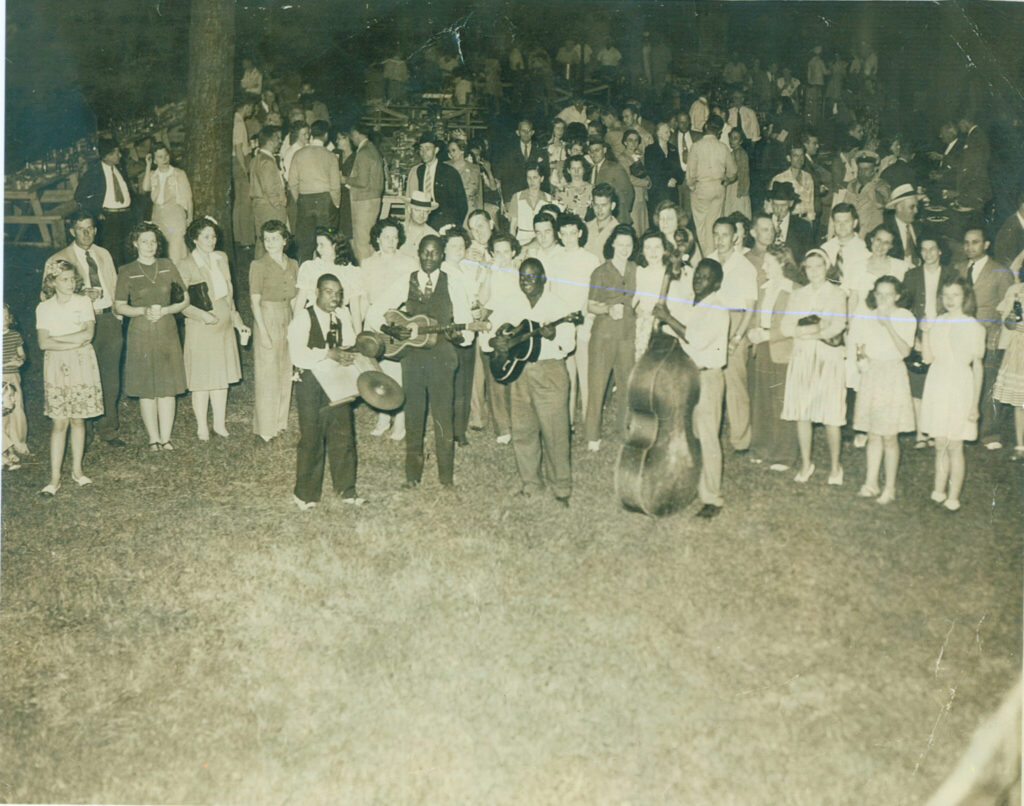
From washboards to ukuleles, the Original Washboard Band carried the sounds of Georgia’s coast into the grand Clubhouse on Jekyll Island, leaving a legacy that transcended the island’s social and racial lines
By Sarah Bisacca
If you wandered the piers and promenades of Jekyll Island in the 1930s and ’40s, you might have stumbled upon a sound that felt both familiar and delightfully offbeat: the percussive clang of washboards, the thrum of an upright bass, and the bright pluck of a ukulele, all stitched together by voices swinging from a gravelly croon to a smooth baritone. This was The Original Washboard Band, a local phenomenon that brought the rhythms of Georgia’s coast into the drawing rooms of America’s elite.
The story begins with Robert “Washboard” Ivory, whose nickname came from a distinctively furrowed forehead rather than his instrument of choice. After a five-year stint as a musician in New York, Ivory returned home to Brunswick in the late 1920s, armed with his ukulele and a suitcase full of ambition. Earl Hill, a longtime island resident and former golf caddy at the Jekyll Island Club, landed him a dishwasher job. However, Ivory’s real talent shone when an impromptu serenade outside J.P. Morgan’s window caught the tycoon’s ear. Morgan encouraged Ivory to form a band, and around 1930, The Original Washboard Band was born.
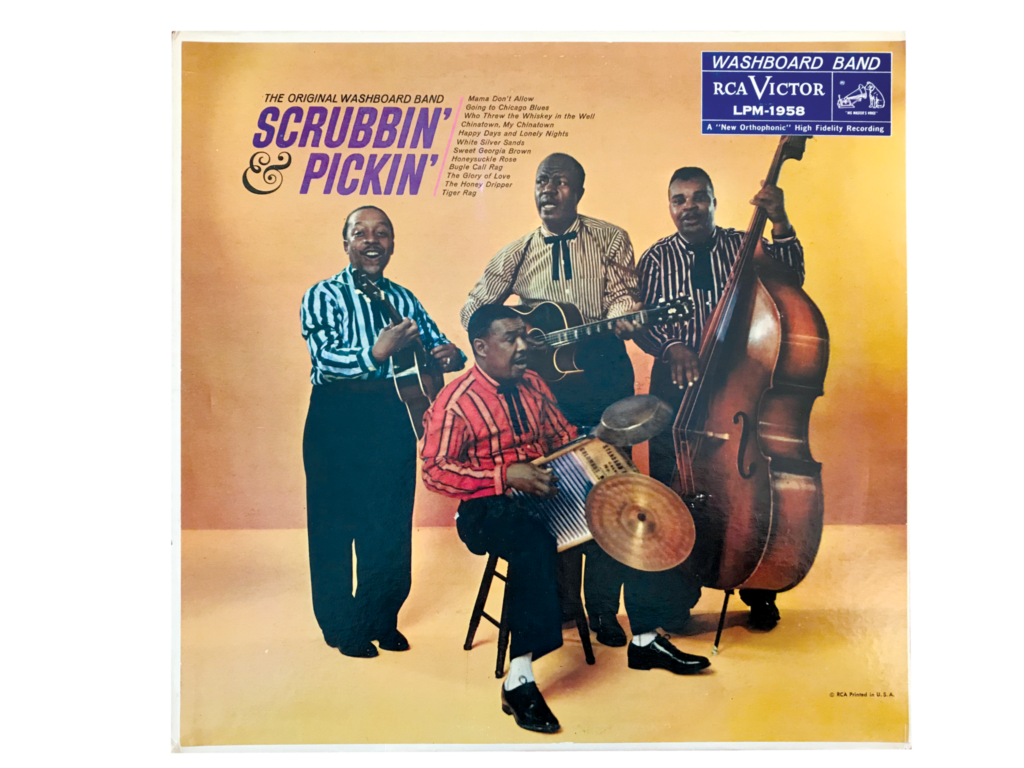
The four-person ensemble reflected the easy ingenuity of coastal musicians who made music from whatever was at hand. Nathan Jones lent a gravelly, Armstrong-esque voice while rattling the washboard, thimbles, and even a frying pan. Ivory handled ukulele, kazoo, baritone vocals, and musical arrangements, while Norman “Shorty” Feimster, one of the few left-handed guitarists of his time, added tenor harmonies. Charles Jones, Nathan’s son, anchored the group with upright bass. Together, they shaped the lively and improvisational Gullah-Geechee folk sounds of Brunswick into performances that found a receptive audience among the island’s wealthy winter residents.
The band’s appeal was as much cultural as it was musical. They played for the Morgans, Rockefellers, Vanderbilts, and Goulds, offering a slice of African American coastal music that was more upbeat and joyful (and even sometimes comedic) than the traditionally buttoned-up symphonies of New York’s Metropolitan Opera. Ragtime, folk, and early jazz rhythms filled the grand halls of Jekyll’s resort, exposing high society to the rich, vibrant culture of the South. In doing so, they bridged communities, creating a rare space where the sounds of local life could meet the tastes of the upper crust.
Their presence on Jekyll was more than just a passing fad. Decades later, they performed for the opening of the Sidney Lanier Bridge in 1956, recorded the album Scrubbin’ and Pickin’ in 1958, and even made an appearance on The Garry Moore Show. Rumors of a Kentucky Derby appearance in the late ’50s remain tantalizingly unverified, providing a reminder of the band’s mystique and widespread appeal. Yet, it’s the everyday moments—the clatter of washboards and the pluck of a ukulele echoing through Jekyll’s pines—that cemented their legacy.
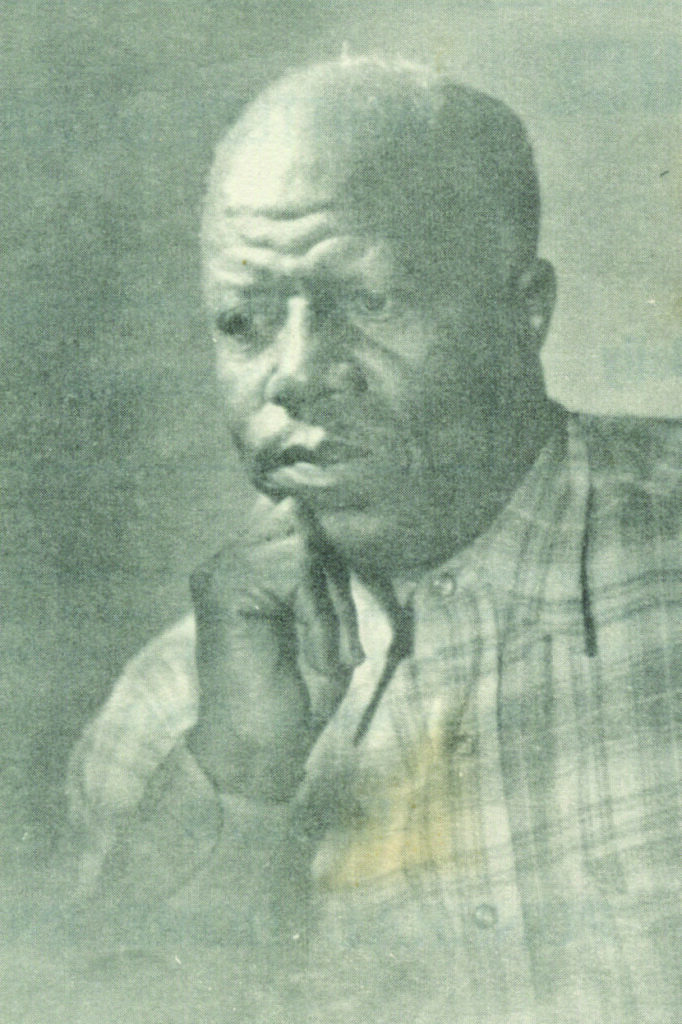
Today, The Original Washboard Band remains woven into the island’s story, a reminder of how music boldly integrated Jekyll society, easily transcending carefully drawn social and racial lines. They were musicians first and foremost, carrying the rhythms of their community into places where those sounds had rarely been heard. Listening to their recordings on YouTube now, you can almost hear the coastal breeze, the laughter of summer guests, and the enduring heartbeat of Jekyll Island itself.