This lowly crustacean is a symbol of coastal Georgia
By Muriel Vega
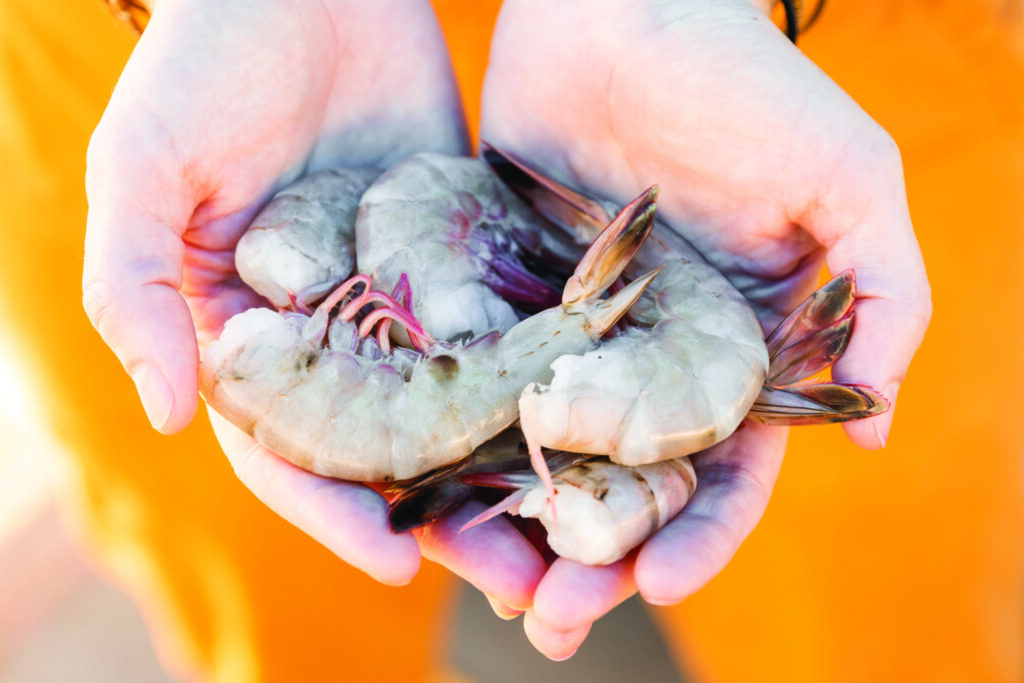
Shrimp have long been associated with coastal Georgia and the Golden Isles and can be found in abundance in the state’s nutrient-rich and protected salt marshes near Jekyll Island.
The two most common species that thrive in Georgia brackish waters are white and brown shrimp, according to Yank Moore, the director of conservation for the Jekyll Island Authority. “White shrimp are more common and are highly valued for their texture and flavor. However, brown shrimp also play a role in the commercial shrimp industry,” he says. Rock shrimp and pink shrimp also live among brown and white shrimp, but are less common.
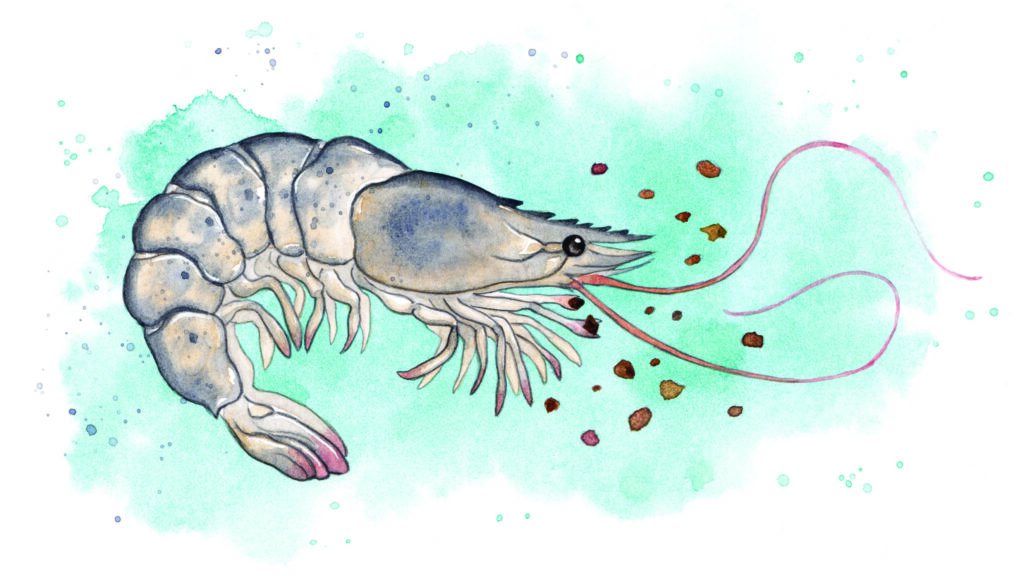
Besides dinner table delicacies, shrimp are essential to the coastal ecosystem’s food chain. After female shrimp hatch thousands of eggs in the open Atlantic Ocean, the tiny larvae float away with the current until they reach the cordgrass marsh waters near the coast, their nursery. These brackish waters are less salty, shallower, and provide ample hiding spots from predators, allowing the juvenile shrimp to grow and accumulate nutrients. During this period, they also help maintain water quality by managing the water’s organic load. Once they mature, the adult shrimp migrate to the open ocean, and the cycle begins again.
They are opportunistic omnivores who consume decaying plant matter, algae, and plankton, and serve as a food source for animals such as bottlenose dolphins. Additionally, they help break down and recycle organic matter by feeding on decomposing cordgrass from the abundant salt marshes.
Shrimp is a large part of the culture of the South, and is particularly dear to Jekyll Island. This year will mark the 19th anniversary of the Jekyll Island Shrimp and Grits Festival, a free two-day event held each fall, complete with an artists market, live music, and variations on shrimp and grits by local restaurants.