Wonders abound—if you know where to look—on Jekyll Island
By Jennifer Bradley Franklin
Photography by Allison Leotis
“Adopt the pace of nature: her secret is patience,” poet Ralph Waldo Emerson once wrote. It’s an apt ethos to embrace while exploring Jekyll Island with foraging in mind. For those who approach their outdoor explorations with curiosity, the verdant island is a wonderland to discover. In fact, the tradition of foraging goes back to the island’s native residents, when the Timucua used the abundant Spanish moss as clothing and for medicinal purposes, such as respiratory treatments. “There are all kinds of cool things you can do with the plants around here,” says Ayron Moleen, the interpretive naturalist for Jekyll Island Authority’s conservation department.
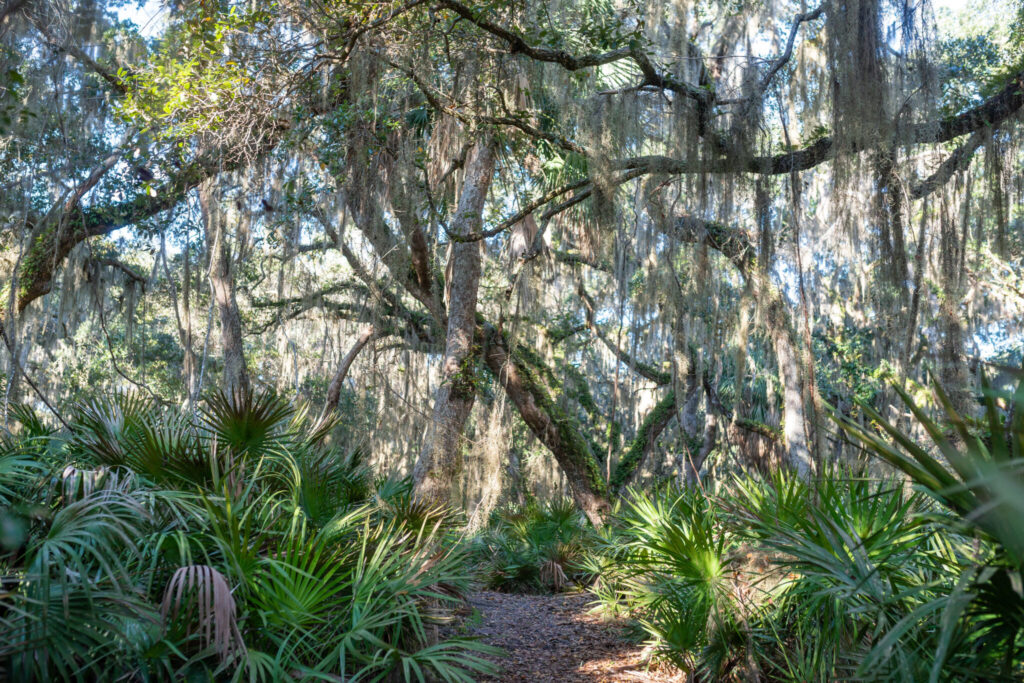
Rather than going out specifically to pick or taste a particular plant, Joseph Colbert, a wildlife biologist for the JIA, recommends that visitors treat a Jekyll Island excursion like a scavenger hunt. “Our trails take you through some cool plant communities. The more space you cover, the more likely you are to see some of these,” he says, adding that Jekyll is considered one of America’s most bikeable communities, allowing visitors to cover even more ground per visit. Here is some of what you might find.
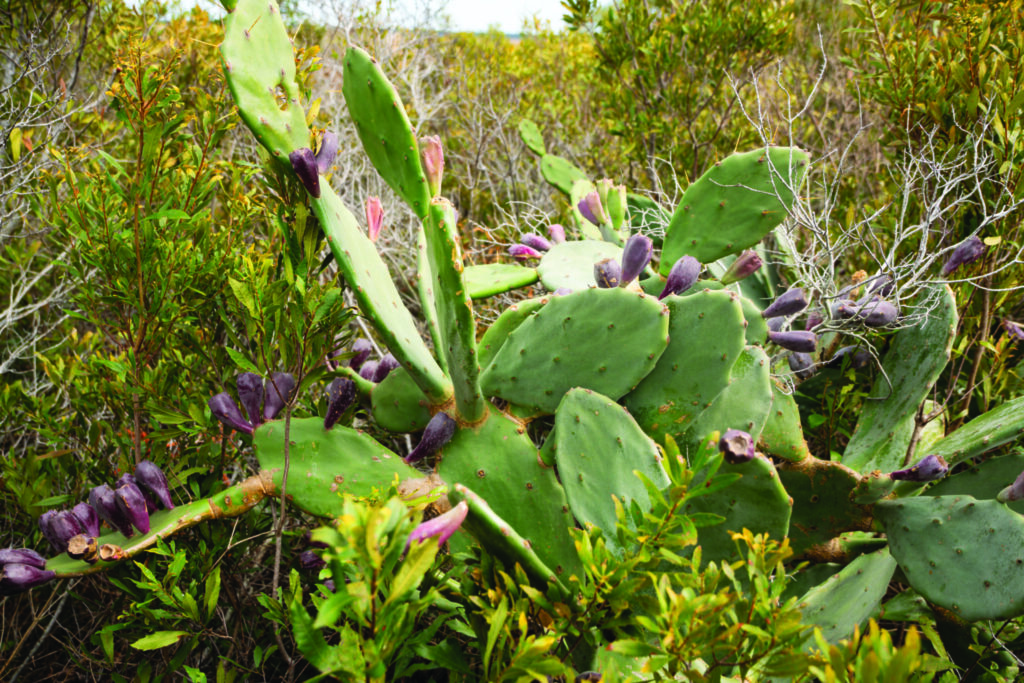
Prickly Pear Cactus
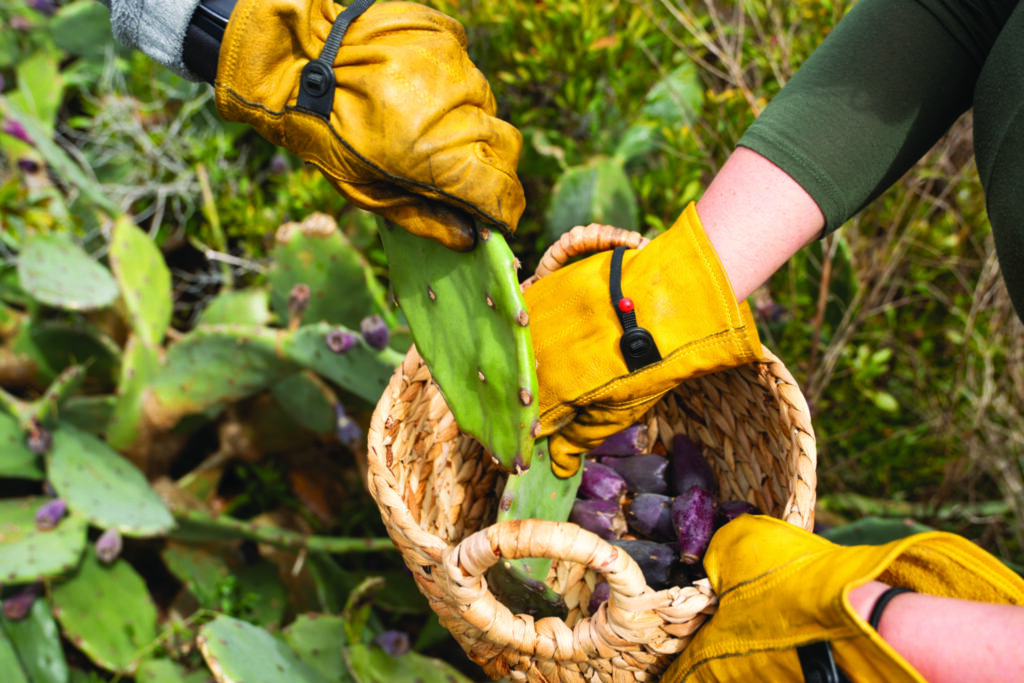
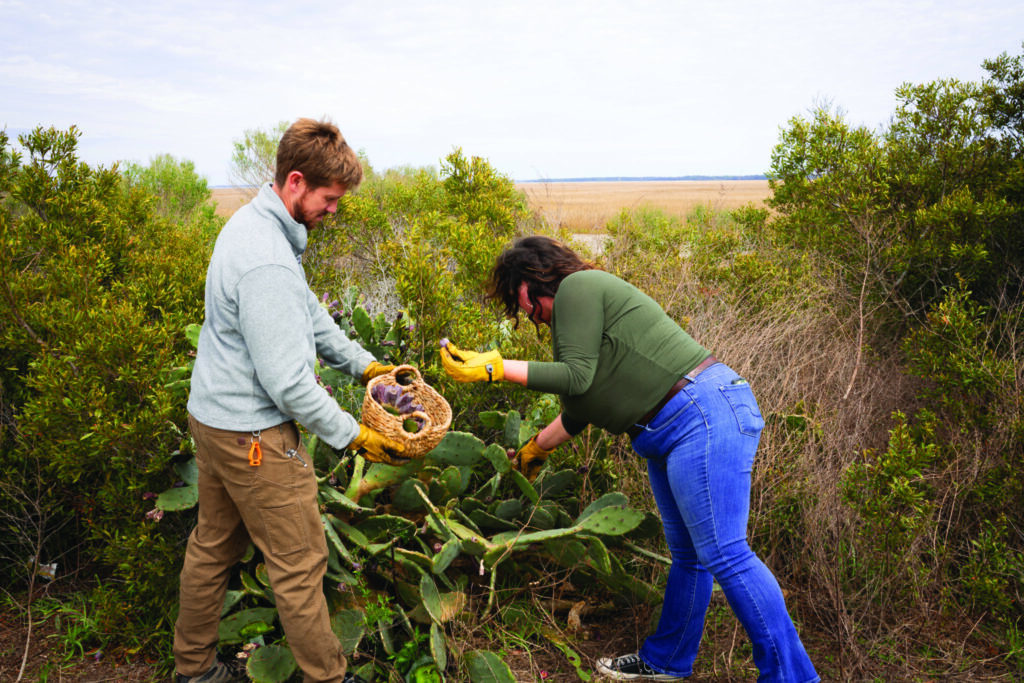
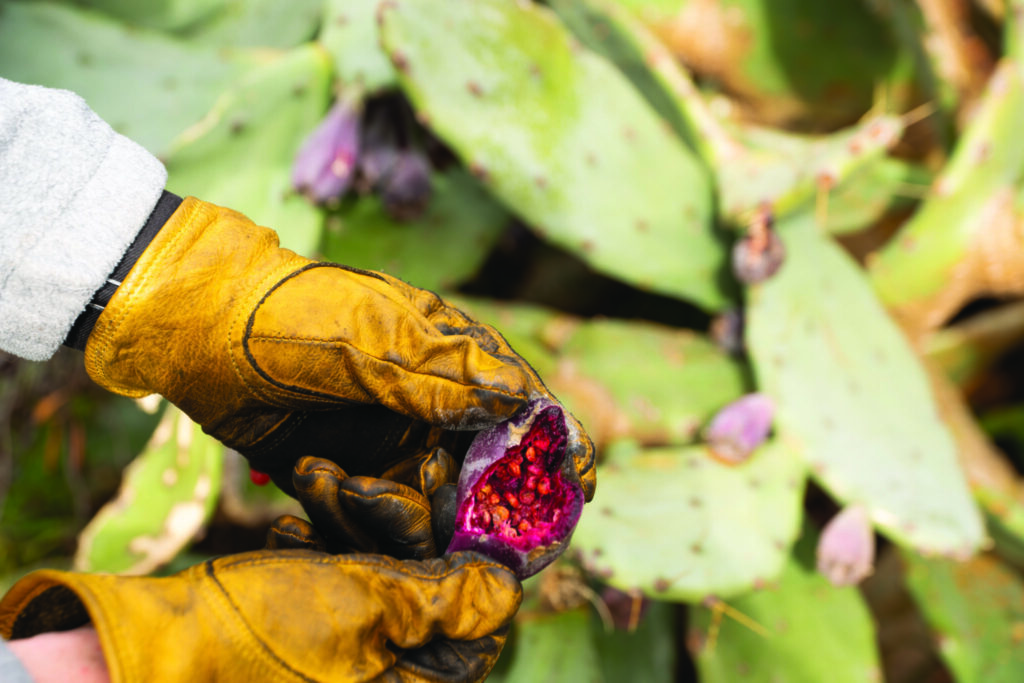
These flavorful, diminutive cacti are abundant in Georgia’s Golden Isles, thanks to the sandy soil. You’ll know them by their flat, paddle-like pads and reddish-purple fruits that grow along the causeway in the summer and fall. “Be careful when you’re picking the fruit, because they are covered in the tiniest little spines,” says Moleen, who offers that gloves and tongs are the easiest way to handle them so as not to get the difficult-to-remove spines embedded into the skin. The prickly fruit has myriad purposes. “You can boil them for all kinds of things. I’ve seen people make them into prickly pear simple syrup for margaritas,” she says.
American Beautyberry
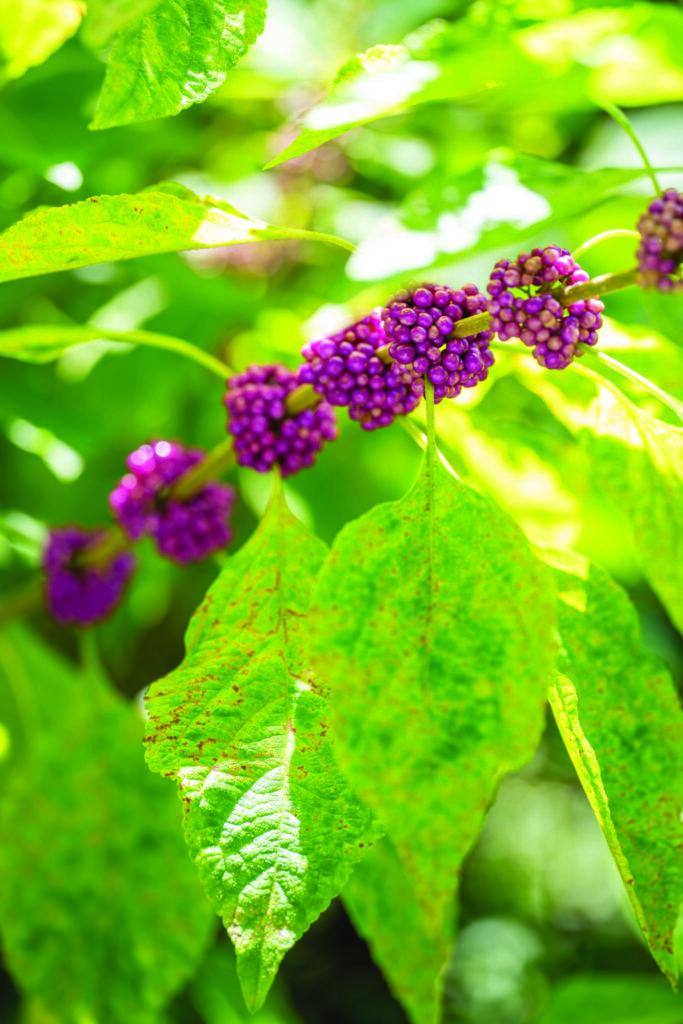
It’s easy to be charmed by the vibrant magenta-hued American beautyberries that grow wild on dense shrubs, fruiting in late summer and early fall. “They make wonderful jams or jellies,” says Colbert. However, you might have some competition for these mildly sweet, somewhat astringent berries. “They’re also a food source for millions of birds that come here for migration,” says Moleen. They, along with muscadines, yaupon holly, chicken of the woods mushrooms, and winged sumac, can be found dotted throughout Crane Road Trail and Tupelo Trail at Horton Pond.
Muscadines
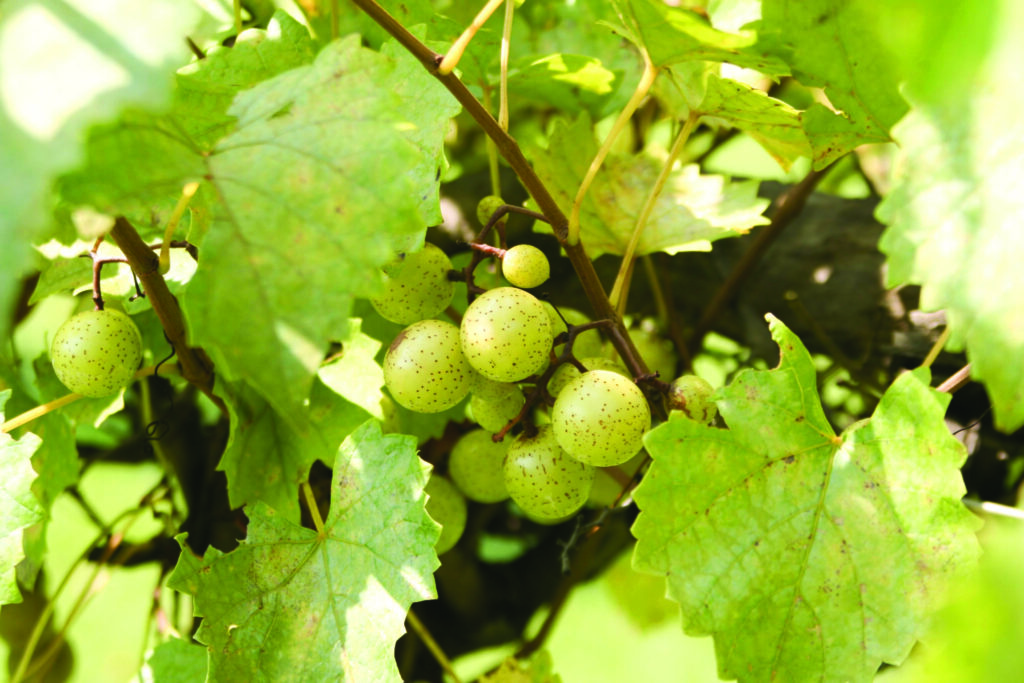
These intensely sweet grapes grow wild on vines around the island and have leaves that turn bright red. The small, tough-skinned grapes appear in mid-summer and are a popular ingredient for wine, jam, and jelly. Keep an eye out for some particularly large clusters of vines—some with individual diameters of up to 10 inches—that are estimated to be more than 100 years old.
Yaupon Holly
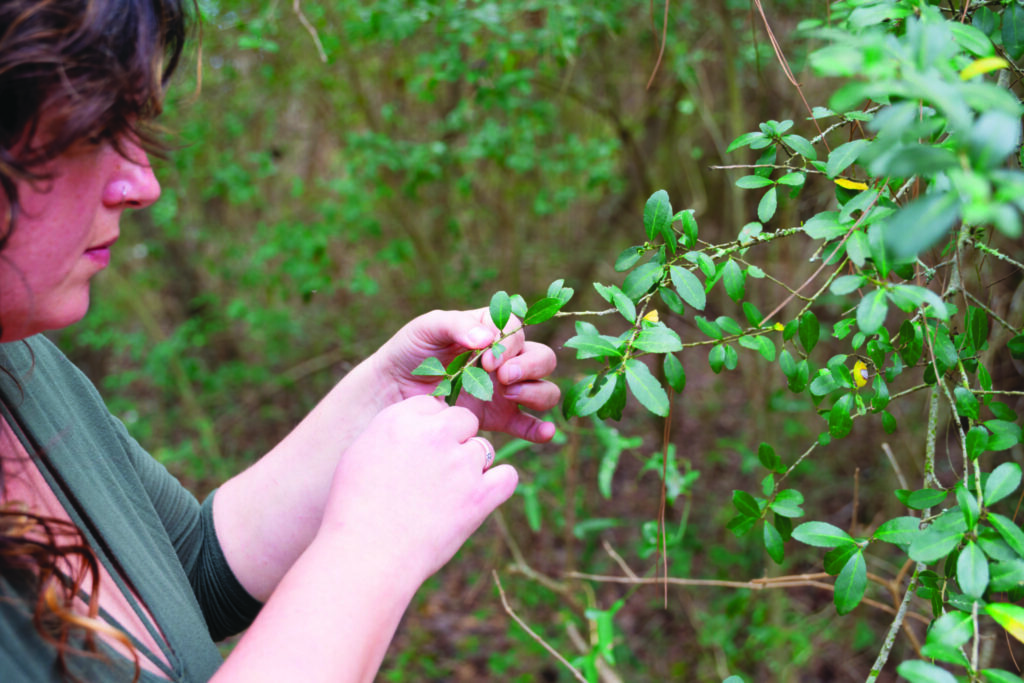
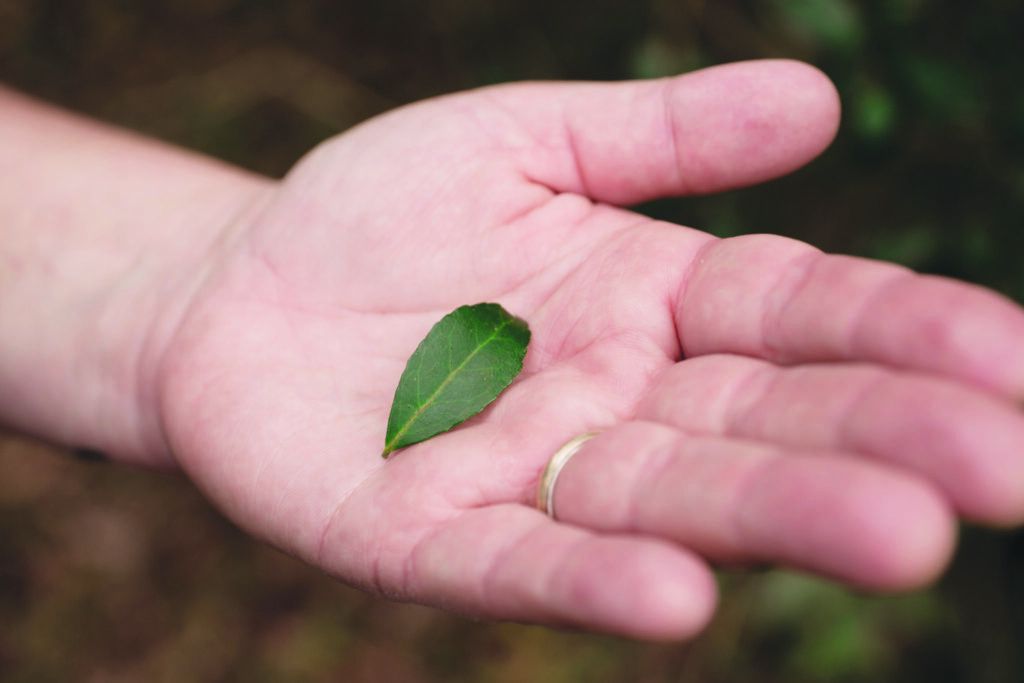
Need a pick-me-up? Yaupon holly, a native shrub, is “one of the only plants native to North America that produces caffeine,” says Moleen. While the leaves can be dried and turned into tea—they contain about as much caffeine as green tea—don’t be tempted by the berries. They’re toxic and should not be consumed. Fun fact: The British, in part hoping to dissuade the American colonies from joining the tea trade, gave the shrub the rather unappealing official name of Ilex vomitortia.
Chicken of the Woods Mushrooms
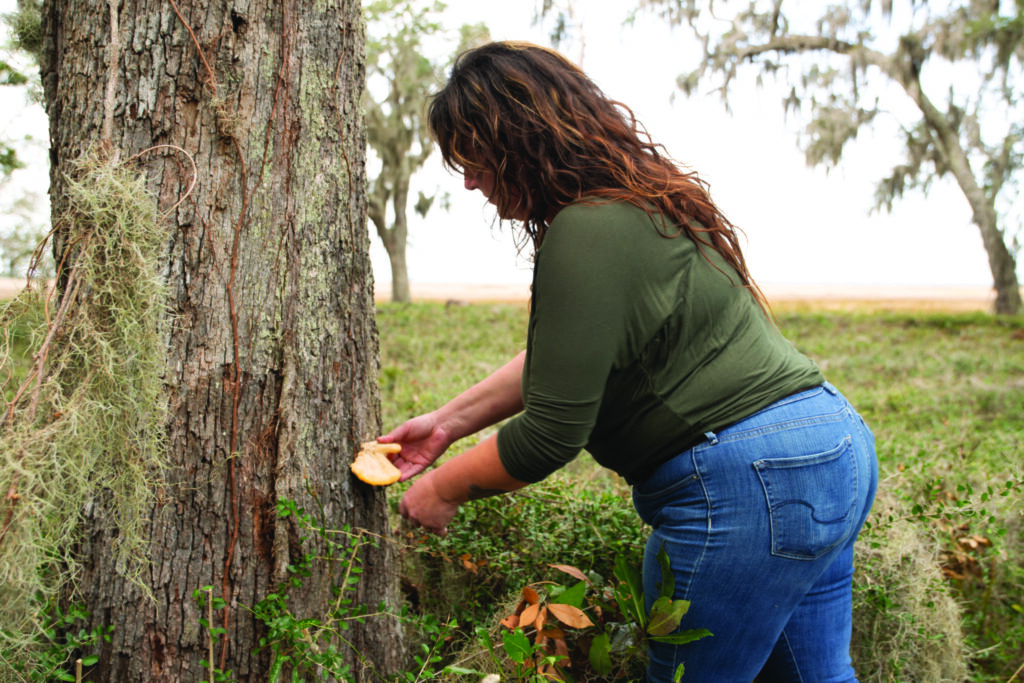
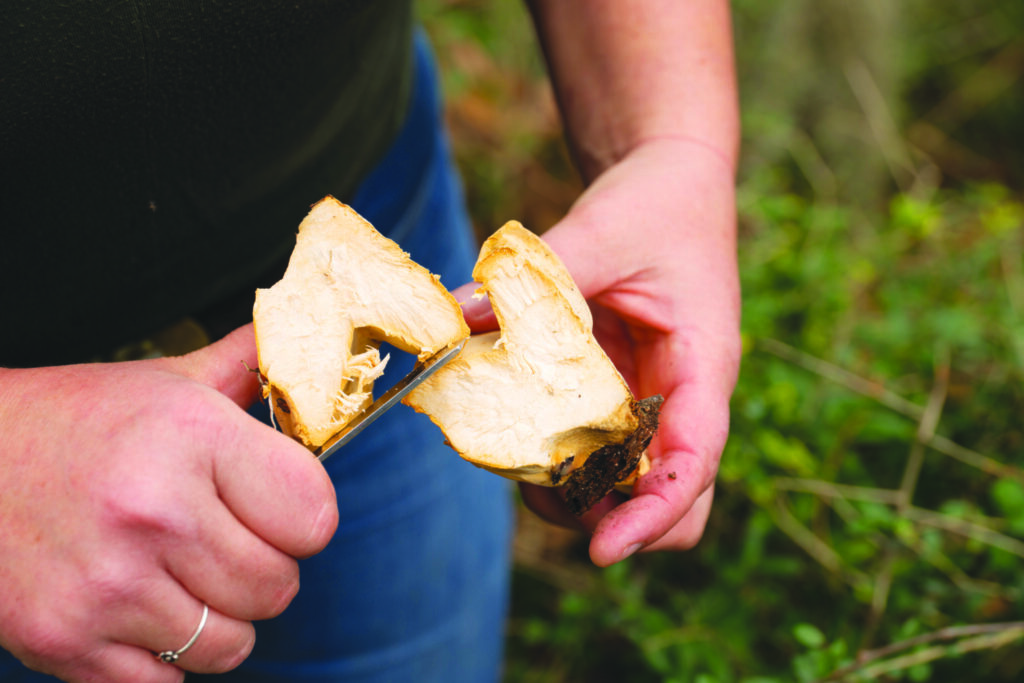
These bright yellow-orange edible mushrooms have a shelf-like shape that grows on the trunks of live oaks and other hardwoods in the maritime forests that dot the island. They grow in the late summer to early fall, and the alternative protein choice mimics the taste of chicken. “They’re delicious,” says Moleen, who shares an important caveat to searching for fungi: “I would not recommend foraging for mushrooms without doing your research. When in doubt, don’t eat!”
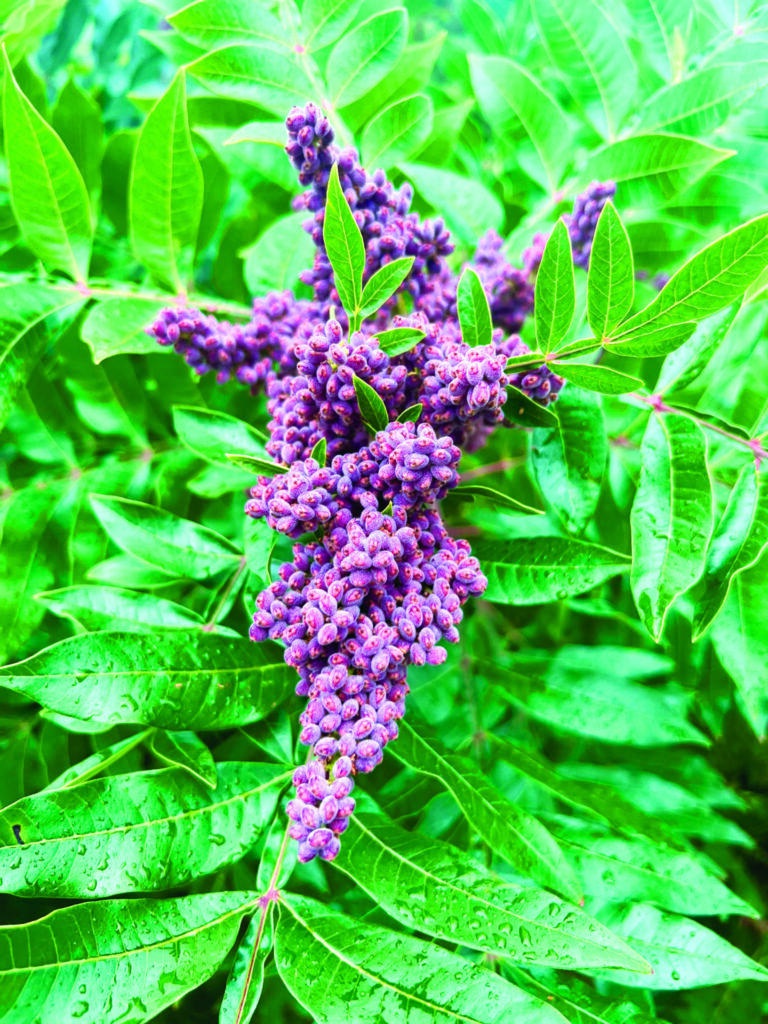
Winged Sumac
Winged sumac is identifiable thanks to its distinctive winged leaf stems with glossy green leaves that morph into a bright red shade in the fall. The bushes, which often grow on the edges of marshland, produce clusters of sour red or pink berries that typically ripen in August. “This is where pink lemonade comes from,” says Colbert. “It’s absolutely delicious with a very lemony flavor and pink color. It’s an old Southern thing.” To make the lemonade, simply steep the berries in water and sweeten to taste.
Get the Lay of the Land
How to forage on Jekyll Island, while treating the land with respect.
Pick Responsibly. “We want people to be ethical about what they forage and only harvest very small amounts for personal use,” says Colbert. “It’s okay to take a bite, but leave the rest for the wildlife.” And when picking, never pluck up a plant by the roots.
Searching for Bivalves? If you’re interested in looking for clams or oysters, know that those are regulated by the Department of Natural Resources. Do your research to learn more about what’s permitted.
Stay on the Trails. While Jekyll is a publicly accessible state park, keep in mind that individuals lease and live in homes around the island. It’s important to stay off leased property. “We like to think of the areas outside of the trails as safe spaces for wildlife,” says Colbert, who notes that pests, such as ticks and mosquitoes, can be more problematic in those off-trail zones.
No Shots Taken. Hunting is illegal on Jekyll Island. If you’re hoping to point and shoot, do it only with a camera lens to capture memories of your trip.
When in Doubt, Leave it Out. Even experienced foragers can be tripped up by look-alike plants and species. If you’re not completely confident in what you’ve found, don’t eat it. When it comes to foraging, caution is part of respecting both your own safety and the island’s ecosystems.