How volunteers quietly care for Jekyll Island’s natural and historic resources
By Hillary Hardwick
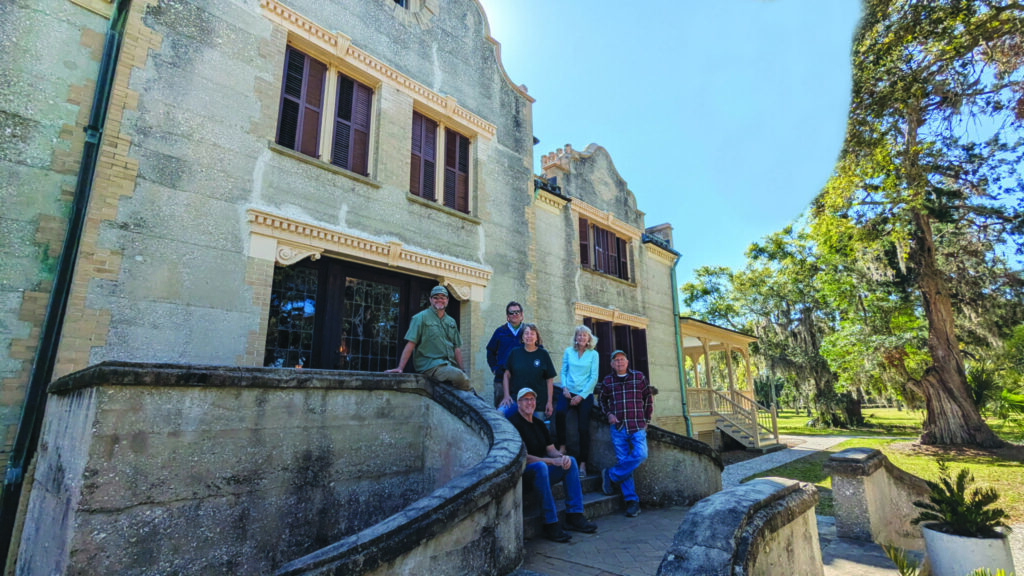
The work often begins quietly, before the island stirs and visitors arrive. A volunteer walks the shoreline, eyes on the sand, logging marine debris. Another unlocks the doors of the 1890 Hollybourne cottage, preparing to welcome guests into Jekyll Island’s past. Still another settles into the archives of the island, digitizing photographs and documents that preserve decades of memory. These moments may seem small, but repeated day after day, season after season, they form the foundation of stewardship on Jekyll Island.
At the heart of this work is the island’s network of volunteers, a coordinated effort supporting conservation, historic preservation, education, and visitor engagement across the island. While volunteer involvement became more formalized with the opening of the Georgia Sea Turtle Center in 2007, a culture of service existed long before. People showed up simply because they cared about the beaches, wildlife, history, and the island’s sense of place.
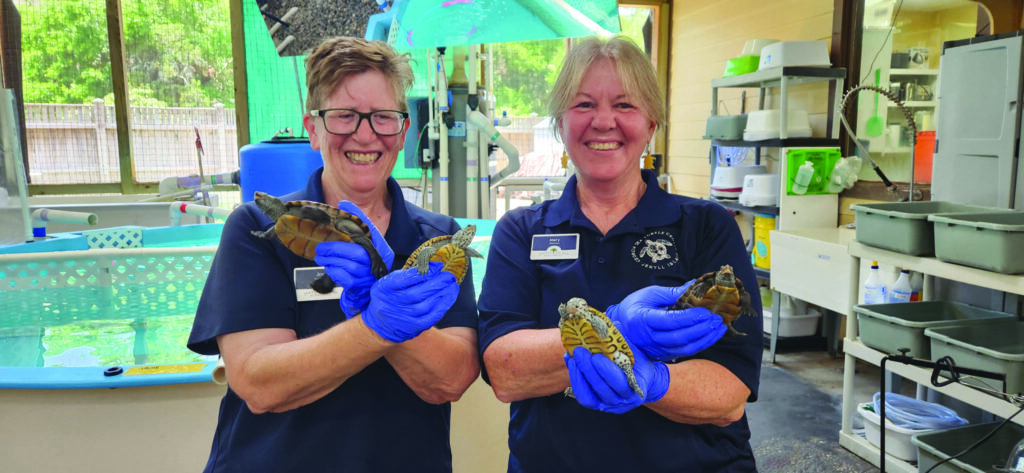
Today, volunteers serve in many roles across the Jekyll Island Campground, the Jekyll Island Museum, the Georgia Sea Turtle Center, and the conservation department. Some educate guests or assist with wildlife rehabilitation and releases. In the Historic District and museum, volunteers restore cottages, interpret exhibits, and safeguard archival materials.
“Training and support are central to the volunteer experience,” says Jessica Aldridge, Jekyll Island Authority’s volunteer program manager. “Because this is a long-term program, we invest significant time in orientation, education, and monthly enrichment opportunities. Our volunteers are lifelong learners—retired educators, professionals, students, and seasonal residents—who form a community grounded in shared purpose.”
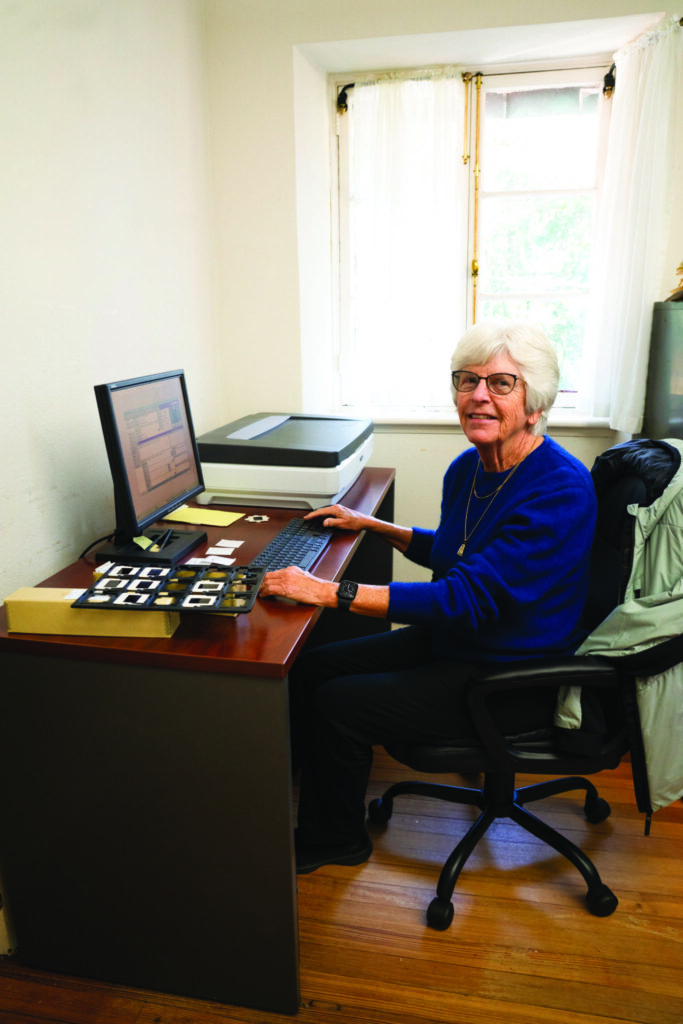
Few embody that spirit more fully than Dell Palazzolo, a longtime volunteer who has contributed more than 20 years of service. With a background in history and a lifetime of global experience, Palazzolo found her niche in the archives shortly after retiring and settling with her husband on Jekyll Island.
Working behind the scenes, she has spent countless hours organizing, scanning, and digitizing photographs, slides, textiles, and artifacts—some dating back to the island’s earliest eras. Her work has transformed fragile, often overlooked materials into accessible digital records, ensuring Jekyll Island’s history is preserved and shared widely.
“I’ve gotten far more out of this than I’ve given,” Palazzolo says. Through her volunteer work, she has deepened her understanding of the island’s history, learned new technical skills, and built lasting relationships. For her, the reward is not recognition, but knowing the island she loves is in good hands.
There are moments when the impact of volunteers’ work becomes unmistakably clear: a rehabilitated sea turtle released back into the ocean, or a historic cottage reopening after years of preservation. These moments remind us why stewardship matters.
In the end, Jekyll Island is safeguarded not only by policies or programs, but by people who give their time so others can experience the island’s beauty, history, and sense of calm. That is the quiet power of volunteers.