
Thank you for your interest in filming on Jekyll Island! As a coastal destination, the island offers a unique blend of natural beauty, historic settings, and diverse landscapes—from maritime forests to wide, open beaches.
Jekyll Island operates with a strong focus on conservation and visitor experience, certain factors may impact timing, location access, and overall production logistics.
Once you have reviewed the information below, please fill out our film application to get the process started.
Please know the Jekyll Island Authority values the positive economic impact of commercial film and photography productions and their support to our coastal community. It is always our goal to work with film productions and the Georgia film industry to support production requests in a way that is accommodating to our larger mission of conservation and preservation.
Overview of Filming on Jekyll Island
To help ensure a smooth production process, we’ve outlined a few key considerations below.
Please be aware that although Jekyll Island is a state park, it does not operate under the Georgia State Parks department. The island is managed by the Jekyll Island Authority, which is a self-operating Authority within Georgia’s government.
All commercial filming, photography, etc. that takes place on the island must receive pre-authorization from the Jekyll Island Authority. This includes filming within a private business, as all businesses operate as a leaseholder to the Jekyll Island Authority. While a business may authorize you to film on their property, authorization must first be received by the Jekyll Island Authority prior to commencement of the project.
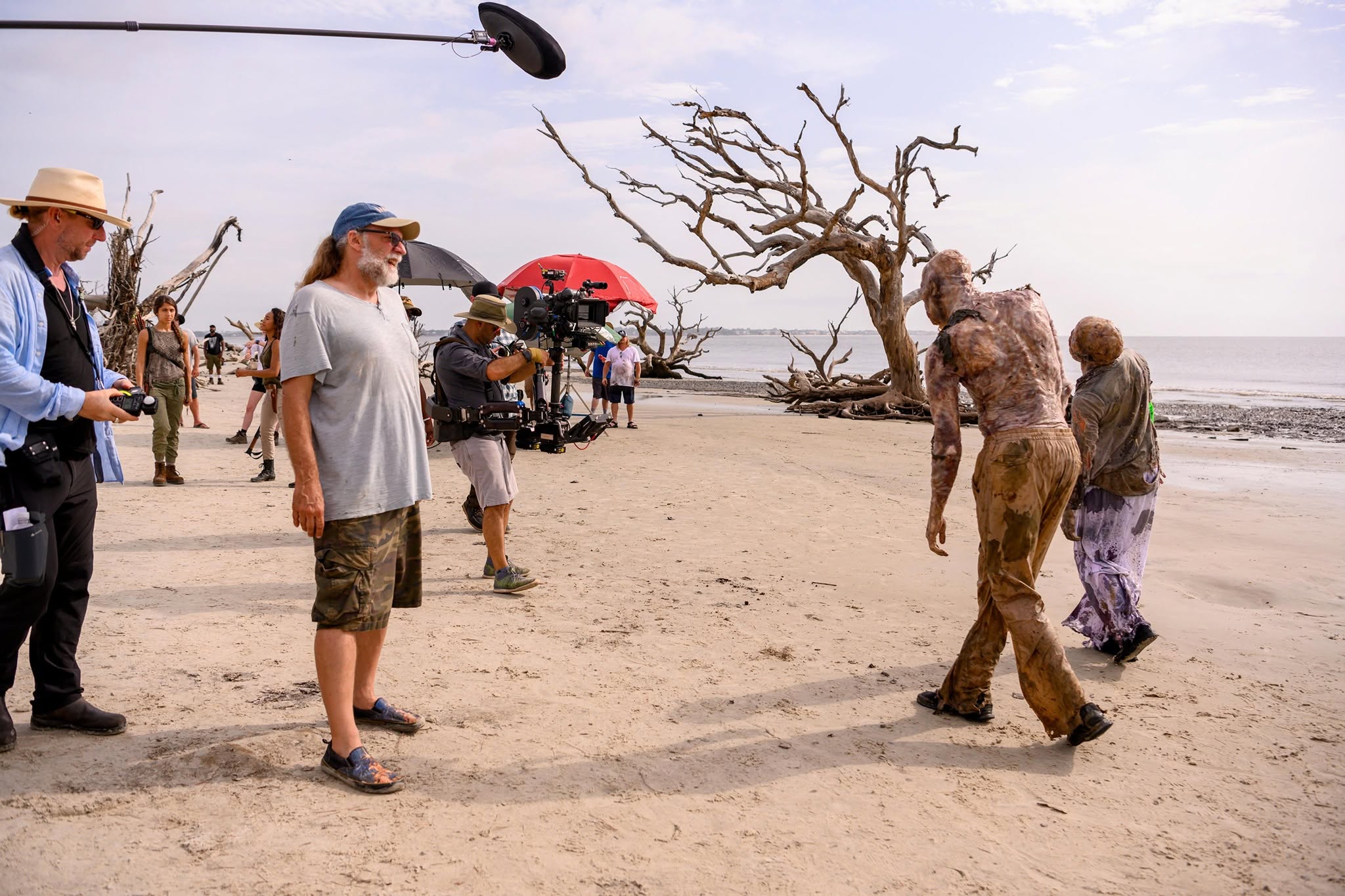
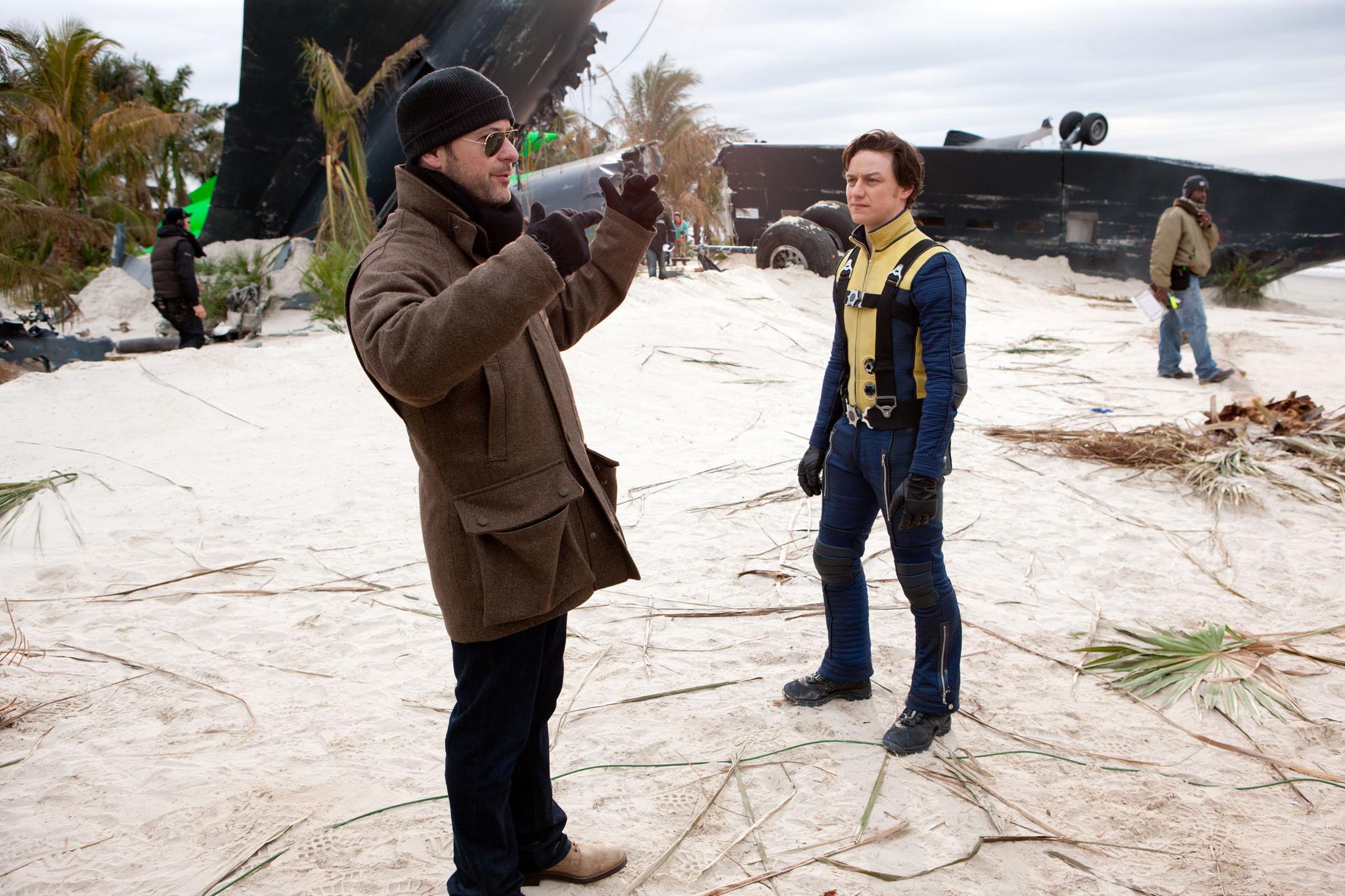
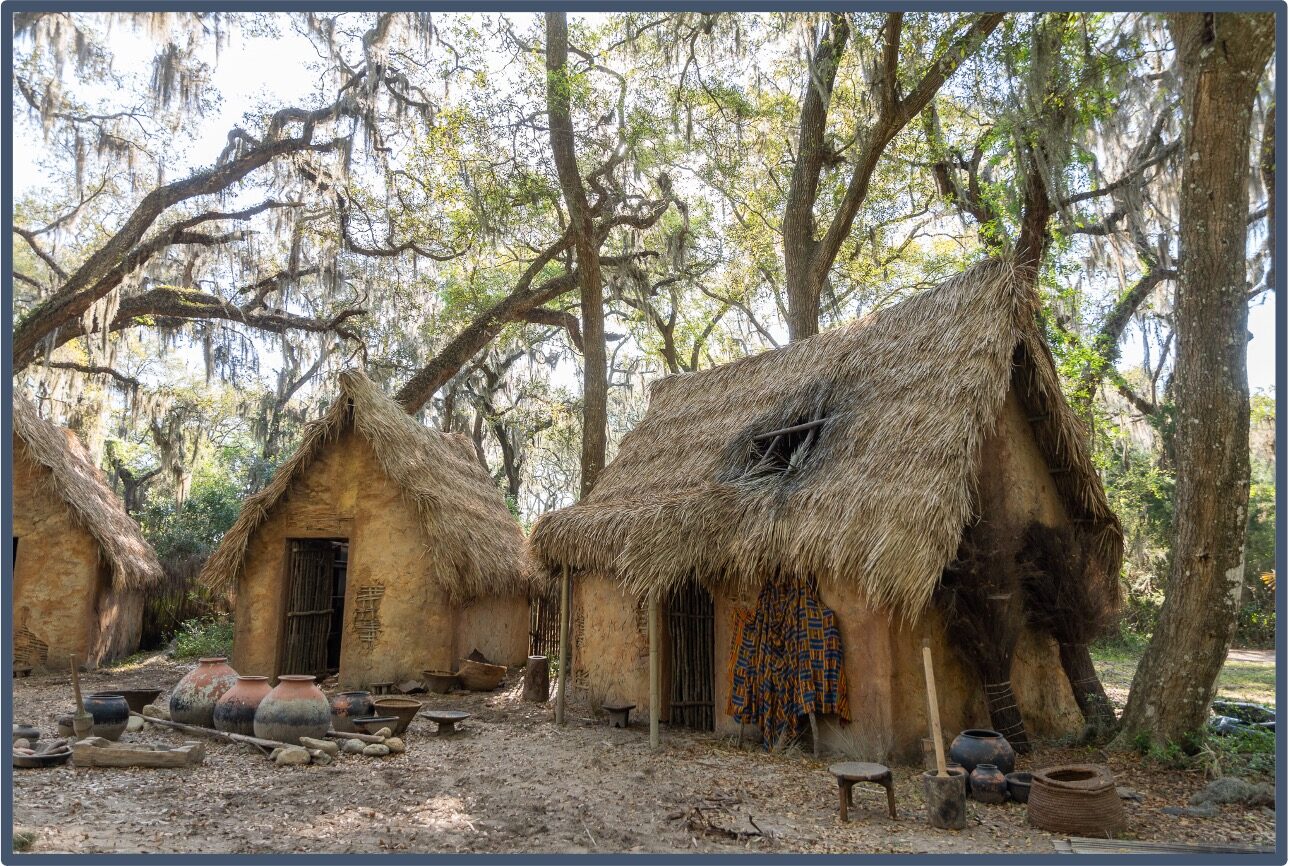
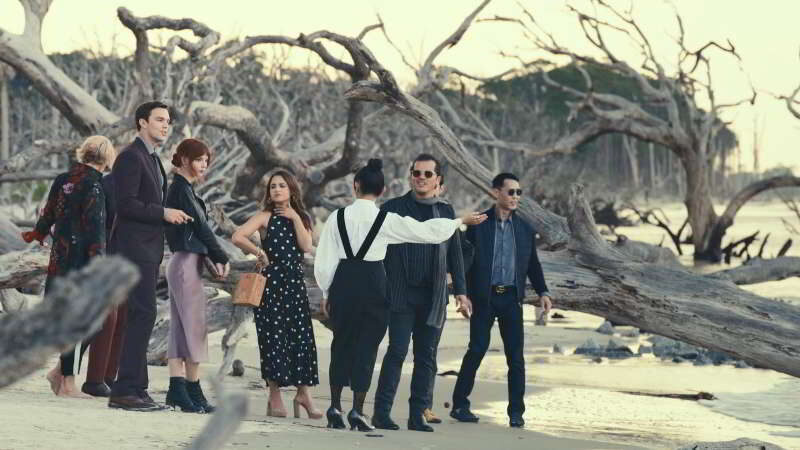

The Biggest Impacts to Filming
Turtles
Jekyll Island is home to hundreds of Loggerhead sea turtle nests each summer, and sea turtle nesting season plays an important role in how the Authority manages beach access and nesting activity on Jekyll Island. Nesting season typically runs from May through October, during which time beaches are actively monitored and protected.
During this timeframe, Jekyll Island has a strictly enforced beach lighting ordinance in place to protect nesting and hatching sea turtles. Artificial lighting, including production lighting, is not allowed along the beachfront from May-October from sundown to sunrise.
Additionally, productions must stay 30 feet clear of any sea turtle nests, or nesting sea turtles, if encountered. As such, production activities may have to relocate, should a sea turtle nest be laid within your requested film area.
These protections can impact filming schedules, equipment use, and allowable locations along the beachfront. Production teams should be prepared for potential restrictions and work closely with our team to ensure all activities align with conservation guidelines and allow for a successful production with minimal impact.
Tides
Tides significantly impact beach accessibility and filming conditions. We recommend reviewing tide charts in advance to help plan for optimal beach access and safe working conditions.
Any activity in or on the water below the high tide line is monitored by the Georgia Department of Natural Resources (GDNR) and requires a separate Marine Event Permit. This process includes approval, which can take up to 30 days, and a minimum 15-day public notice period.
Additionally, any activity that may have a significant impact on the beachfront, such as anchoring structures, staging large equipment, or altering the natural environment, requires a formal Letter of Permission from GDNR. These requests must be submitted at least 45 business days prior to the proposed start date. Our team can advise you on if these or any additional permits are needed and how to obtain them, but please be mindful of this timing when planning.
Traffic
Jekyll Island is a popular resort destination, with visitation levels that fluctuate throughout the year. As a state park, maintaining public access is a top priority, and we strive to keep beaches, parks, and amenities open and accessible for all guests.
Filming during peak seasons—particularly spring break and summer—may limit our ability to accommodate certain production requests, such as reserving parking spaces, securing exclusive use of locations, or closing beach access points. In some cases, these restrictions may not be possible at all.
Production fees will also increase during high-traffic periods, seasonally or during island-wide events, to account for guest impact and operational considerations. Alternatively, filming during shoulder seasons may allow for greater flexibility, improved access, and reduced costs.
Additional Things to Know
Location Credit
Productions are required to include a location credit to Jekyll Island, Georgia, where appropriate, in final deliverables.
Insurance
A Certificate of Insurance (COI) is required for all productions, with a single limit liability for bodily injury, personal injury, and property damage of not less than $1,000,000 and general aggregate liability of not less than $3,000,000 USD. The JIA should be named as an additional insured on the policy, and this must be provided alongside the signed contract prior to the start of production.
Content Guidelines
Filming that includes public nudity is not permitted on Jekyll Island.
Drones
Drone use on Jekyll Island is restricted and requires prior approval from the Jekyll Island Authority.
If approved, all drone operations must comply with applicable FAA regulations, including proper licensing and notification to the surrounding local airports within applicable airspace. Additional guidelines may apply depending on location, timing, and proximity to guests, wildlife, or sensitive areas.
Base Camp
Jekyll Island offers several designated base camp locations suitable for production needs, including parking for vehicles, craft services, and restroom trailers. These areas are intentionally positioned off the main visitor paths to minimize impact on guests and the surrounding environment.
Availability of base camp locations varies depending on timing, production size, and overall island activity. Our team will work with you to identify the most appropriate option based on your specific needs and filming schedule.
Lodging & Catering
Jekyll Island offers a range of lodging options to accommodate production teams of all sizes, including hotels at varying price points, vacation rentals, and a full-service campground. Whether your crew prefers resort-style amenities or a more flexible, extended-stay setup, there are options available across the island. All options are viewable at jekyllisland.com/lodging.
Catering options are also readily available, with a variety of on-island restaurants and quick-service providers that can support production needs. All dining is listed at jekyllisland.com/eat.
Other Recommendations
Our team is happy to assist with additional planning needs to help make your production as seamless as possible. We’re able to recommend location scouts, specific filming locations across the island, and trusted local vendors for lodging, catering, craft services, restroom trailers, trash services, and other production support needs.
If you’re looking for something specific, please don’t hesitate to ask.
Parking Fee
As a state park, Jekyll Island requires a daily parking fee for all vehicles entering the island. Rates are $10 per day for standard vehicles and $15 per day for oversized vehicles, including large production trucks, restroom trailers, and equipment vehicles.
For productions, parking fees can be coordinated in advance and billed directly through the Jekyll Island Authority, as outlined within your final contract. This option is recommended for larger crews to streamline arrival and reduce delays at entry. Alternatively, individual vehicles may purchase entry upon arrival at the entrance gate.
Please note that parking entry is required for each day on-site and are valid only for the calendar day of entry, until midnight. All parking fees are separate from production and location fees.
Reserved Parking
Reserved parking spaces may be available at select filming locations, including beach access points, to support production needs such as equipment staging and crew access.
The standard rate is $50 per space, per day; however, rates may increase during peak visitation periods. Availability is also limited during these times, and, in some cases, reserved parking may not be possible at all.
As a public state park, maintaining access for visitors is a top priority. For that reason, reserved parking in high-traffic areas is evaluated carefully and may be restricted to ensure a positive guest experience.
Trash & Water/Wastewater Service
Productions are responsible for maintaining clean filming locations and properly disposing of all trash and other materials through trash collection services.
Productions may provide their own trash service or request through the Jekyll Island Authority for an additional fee, based on availability. All trash must be removed promptly at the conclusion of filming to ensure the area is returned to its original condition. Should productions need access to water hookup, our team can assist with coordination and billing for consumption. There should be no dumping of wastewater and all potable water for craft services, cleaning, etc. should be removed off island.
Security
Teams may provide their own security or request coordination through the Jekyll Island Authority. Off-duty officers from the Georgia State Patrol may be contracted at an hourly rate, subject to scheduling and availability. Our team can provide contact information if security support is needed.
Fees
Filming on Jekyll Island is subject to a range of fees based on the scope, scale, and overall impact of the production. As a public state park, these fees help support operations, conservation efforts, and the visitor experience.
Location fees vary depending on the size of the production, filming locations, and potential impact on guests and island operations.
Production fees are billed in advance based on the approved scope of work. Excessive changes to the production plan, schedule, or logistics may prompt the need for additional administrative fees to account for ongoing coordination and staff time.
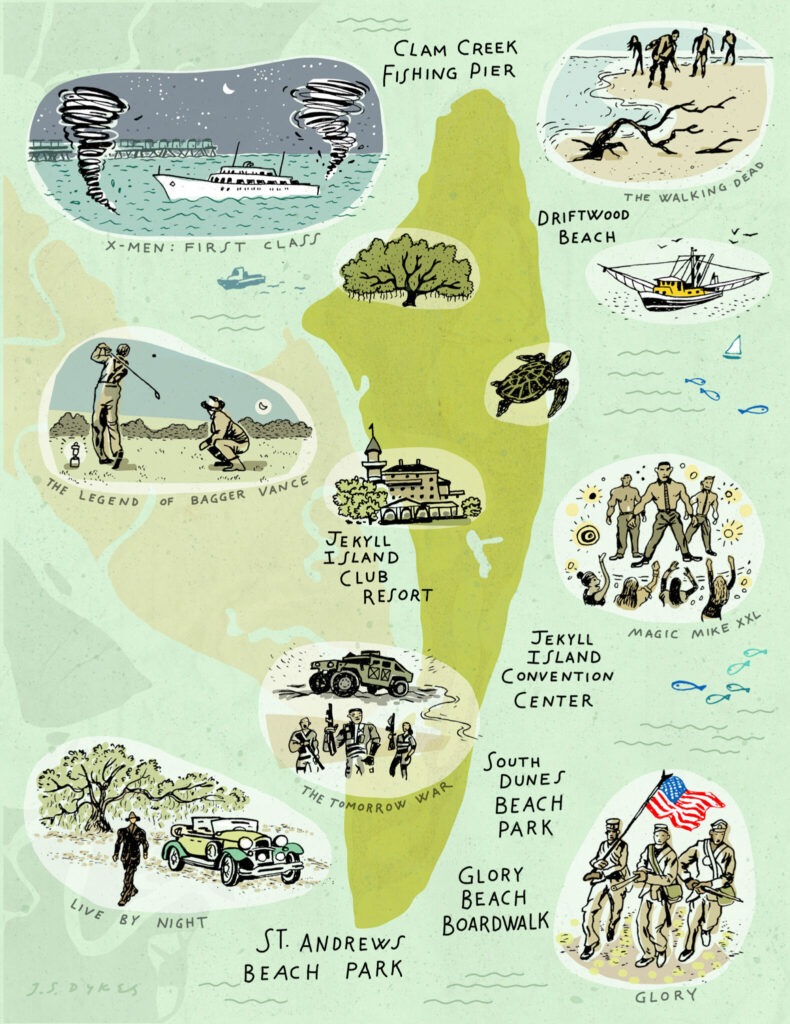
“Jekyll ultimately was chosen for its visual aesthetic, abundance of crew and equipment resources, travel access, and housing availability.”
-Chris Petrikin, Fox Corporate Communications, X-Men: First Class
Have Questions? Review some FAQs below.
All commercial filming requires coordination with the Jekyll Island Authority, in addition to a standard film agreement. This must be confirmed and signed prior to the start of production.
Timelines vary based on the scale and complexity of the production. Smaller projects may be approved more quickly, while larger productions—particularly those requiring environmental or public impact considerations—should plan several weeks in advance. Activities involving the beach, water, or significant setup may require 45+ days for review and approval. The more time available to plan, the more resources we can assist you with.
Yes. Location scouting is encouraged and can be coordinated with our team. If you are unable to visit in person, we are happy to recommend local film scouts to work on your behalf, or provide photography assets to you of island locations, historic buildings, or other needs.
Exclusive use of public areas is limited and evaluated on a case-by-case basis. As a public state park, maintaining access for visitors is a priority, and full closures may not be possible, particularly during peak seasons. Ask us for more details and we will do our best to accommodate.
Production teams may temporarily hold pedestrian traffic or kindly ask guests to reroute for short periods during active filming. Once filming pauses, access should be reopened to allow passersby through.
As a public state park, full closures of public spaces are not permitted unless formally approved in advance.
Yes. Certain areas, including protected dunes, sensitive habitats, and active conservation zones, are restricted. Our team will help guide you to appropriate filming locations.
Interior filming within Jekyll Island’s historic buildings and cottages is limited for commercial productions, as these spaces are preserved museum environments with sensitive artifacts.
In select cases, access may be considered for projects that align with the Jekyll Island Authority’s preservation efforts to ensure limited structural and artifact impact. These opportunities are evaluated on a case-by-case basis.
No. Generally, vehicles are not permitted on Jekyll Island’s beaches. Certain beach access points may accommodate vehicles but are evaluated on a case-by-case basis.
Activities that significantly impact the beachfront, such as anchoring structures or staging large equipment, require advance approval and may need a formal Letter of Permission from the Georgia Department of Natural Resources.
Yes. Lighting is restricted during sea turtle nesting season (May-October), particularly at night. Generators are not allowed on the beach and must remain on paved walkways underneath plywood or another vessel that could catch potential gas/oil leaks. In some cases, the end of asphalt to the beginning of the beach may span upwards of 500+ feet, meaning that lengthy extension cords would be required. Amplified sound may also be limited depending on time, location, and proximity to guests or wildlife.
Power is not typically available at filming locations. Productions should plan to provide their own generators if needed, in accordance with requirements above. Basecamp locations or other more accessible locations may have power access which can be discussed with the Jekyll Island Authority for a fee, if service is available.
Public restrooms are available in select areas; however, depending on your location and crew size, additional facilities (such as restroom trailers) may be required. Public restrooms must remain open to guests and visitors and cannot be reserved or closed in any capacity.
Jekyll Island is a popular location for student filmmakers, and in many cases, production and location fees may be waived for educational projects, or projects with no immediate commercial interest.
However, all student productions are still required to coordinate with the Jekyll Island Authority and complete a film agreement prior to filming. This ensures that all activities align with operational guidelines, environmental protections, and public access considerations.
Weather-related changes are handled on a case-by-case basis. Rescheduling is subject to availability. Permitting will generally include backup days for weather.
In some cases, production and location fees may be reduced or waived for projects that prominently recognize Jekyll Island, the Jekyll Island Authority, or island history and/or amenities in a positive, destination-focused way.
These opportunities are evaluated on a case-by-case basis and are typically considered within the context of marketing, public relations, or media exposure for tourism.
Yes. Filming on Jekyll Island does not allow the use of any Jekyll Island or Jekyll Island Authority signage, names, trademarks, logos, or other identifying materials, unless authorized.
Production teams may film within approved locations; however, any existing signage, branding, or identifying elements may not be featured, altered, or replicated without prior licensing approval.
In select cases, use of Jekyll Island branding may be permitted as part of a collaborative public relations or marketing partnership.
Production fees are billed in advance based on the approved filming schedule.
If you anticipate needing additional time, we ask that you communicate with our team as early as possible so we can evaluate availability and coordinate any necessary extensions. Additional time will be subject to approval and may require an adjustment to the agreed-upon fees.
Unapproved overtime may not be accommodated, particularly in high-traffic areas or during peak periods if there is anticipated public impact.
Special effects may be permitted with prior approval from the Jekyll Island Authority. Depending on the nature of the activity, additional safety requirements may apply, including the presence of public safety personnel such as a Georgia State Patrol officer or on-site firefighter. These services are coordinated in advance and will be billed at an hourly rate.
Generally, all livestock, farm animals, exotic wildlife, etc., is not permitted without prior authorization, in accordance with state park ordinance, to prevent native wildlife impact. This can be reviewed on a case-by-case basis depending on the animals of interest and how they would be incorporated within the production.
Have additional questions?
Reach out to Alexa Hawkins, Director of Marketing & Communications, at ahawkins@jekyllisland.com